
Returning to the community after incarceration can be a time of hope, but it can also bring serious challenges for people living with HIV. Maintaining access to treatment often depends on having support for behavioral health, housing, transportation, insurance, food, and other essential needs.
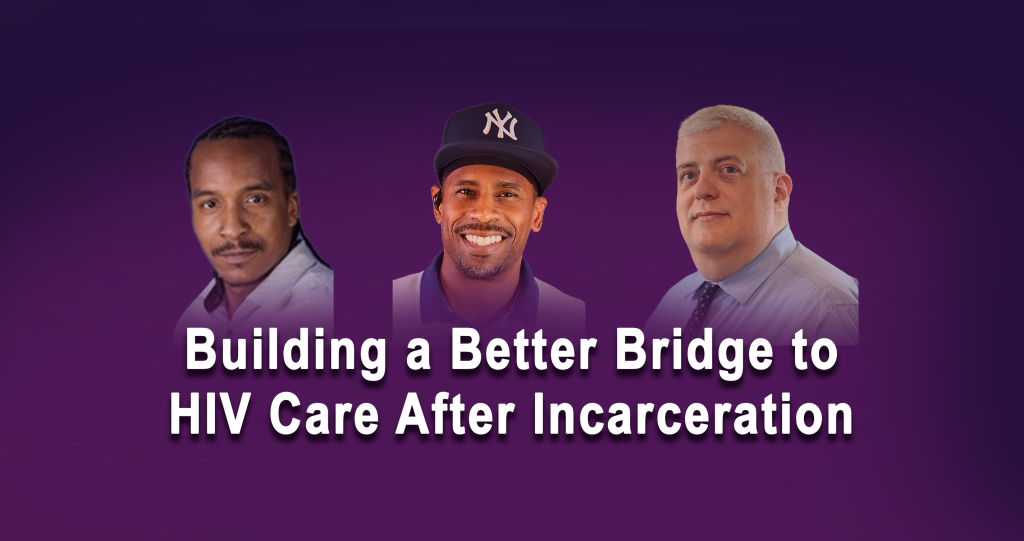
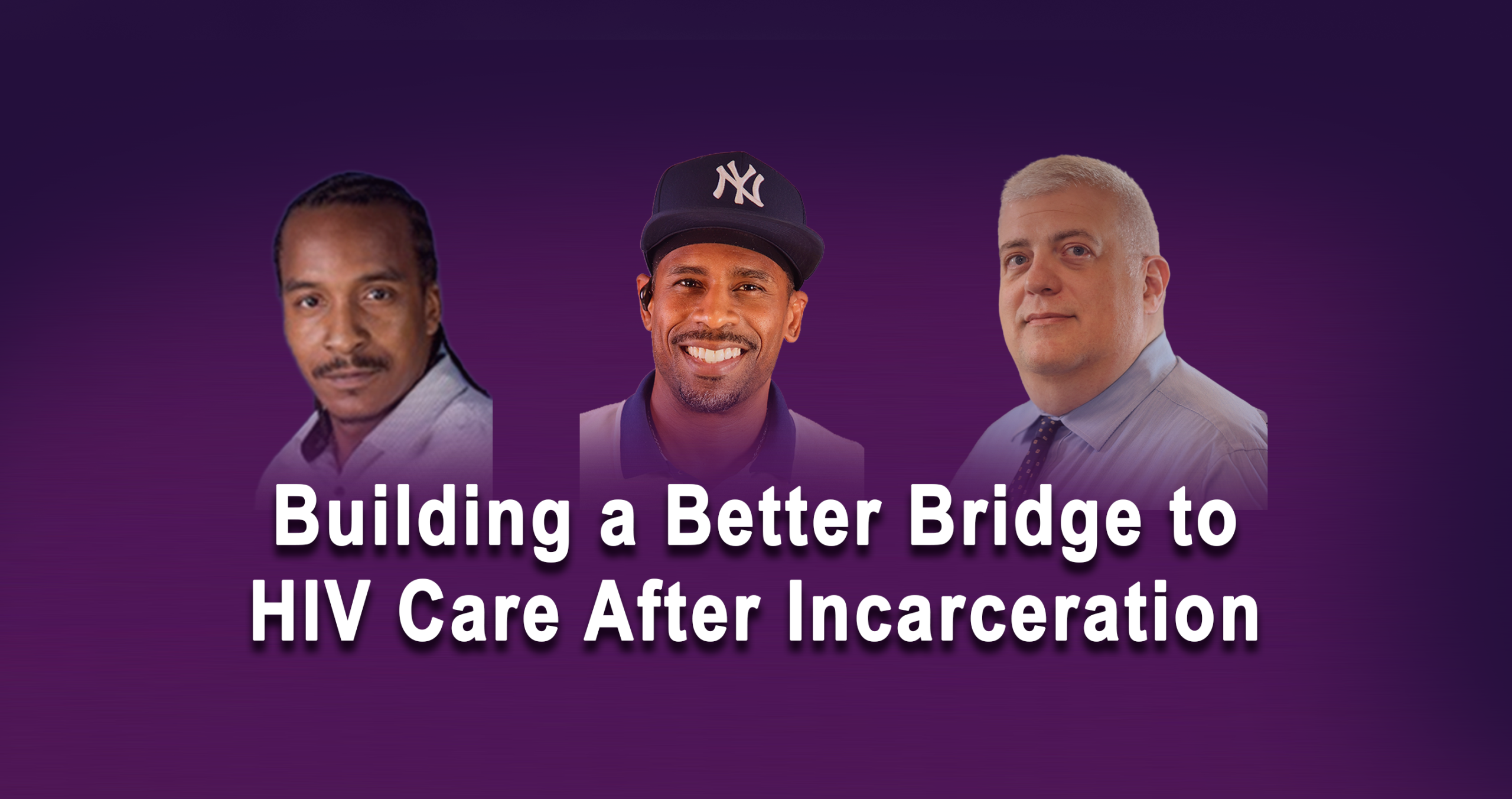
A recently published Behavioral Health News article by STAR Program team members Marc Liff, LCSW, ACSW; Lamont Bryant, BS, MPS; and Christopher Carpenter, BS examines how comprehensive, compassionate care can improve this transition.
Supporting the Whole Person
The authors emphasize that effective linkage to care requires more than scheduling a medical appointment. A comprehensive approach may include:
- HIV and primary medical care
- Mental health and substance use treatment
- Case management and care coordination
- Housing, food, insurance, and transportation support
- Peer navigation and community health workers
Peer navigators can be especially valuable. Through empathy, shared understanding, and practical guidance, they help people navigate complex systems and feel supported throughout re-entry.
STAR’s Commitment to Re-Entry Care
These principles are central to STAR’s Back to Brooklyn Program, a community-based medical home for people who have experienced incarceration. Grounded in patient empowerment, the program connects eligible participants with comprehensive health care and practical support as they return to the community.
People returning from incarceration deserve care that recognizes their strengths, respects their experiences, and supports their ability to move forward.
We thank Marc, Lamont, and Christopher for sharing their expertise and advancing this important public-health conversation.
Read the full article in Behavioral Health News.
Meta description: STAR experts explore how comprehensive HIV care, behavioral health support, and peer navigation can strengthen re-entry after incarceration.