
Supporting Caregivers. Strengthening Families. Protecting Futures.
At STAR, some of the most meaningful work happens in the quiet moments.
A reminder call before an appointment. A ride home after a long night in the emergency room. A case manager sitting beside a patient who is scared or overwhelmed. A pediatrician, prenatal provider, behavioral health clinician, and case manager comparing notes so one caregiver – and one family – does not have to navigate care alone.
This is the heart of STAR’s Family-Focused HIV Care Program, or FFHCP.
Part of STAR’s Behavioral Health services, FFHCP supports people living with HIV who are planning families or are primary caregivers for children under 18. Most are mothers, but the program also serves fathers and may serve grandparents or other primary caregivers. Michelle Melendez, FFHCP Behavioral Health Director, describes the guiding idea simply: “If mom is well, the family is going to be well.”
The program brings HIV care, prenatal and postpartum services, pediatrics, behavioral health, medical case management, insurance assistance, transportation, and community resources into one coordinated system. The result is what Migdalia Vientos, FFHCP Manager and Case Management Supervisor, calls “an extra layer of protection” – the time and attention to notice and address what a medical visit alone may not reveal.
What the Work Looks Like
FFHCP currently supports approximately 68 caregivers and an estimated 200 children connected to them. Many families have two or more children and are balancing employment, childcare, transportation, housing, food costs, school needs, insurance interruptions, and multiple medical appointments while managing HIV and pregnancy or parenting.
The case managers help families identify and address those barriers. They coordinate appointments, arrange transportation, follow up on referrals, help resolve insurance problems, connect families with housing and food resources, and locate diapers, clothing, car seats, school supplies, and other necessities. These needs are not separate from health; they often determine whether a caregiver can remain in care and follow a treatment plan.
Maria Adamson, who has worked with FFHCP for more than a decade, emphasizes that the program is family-centered rather than diagnosis-centered. Her work depends on communication – with patients, STAR providers, and community partners – and on staying flexible because “there is really no typical day.”
Amanetou Bah, a longtime STAR staff member who has served FFHCP families for about seven years, points to continuity as one of the program’s greatest strengths. Some relationships last 10 or 20 years, allowing case managers to watch children grow and remain trusted resources long after pregnancy. “You know you’re helping when your patients feel at home,” she said.
Meet the Team
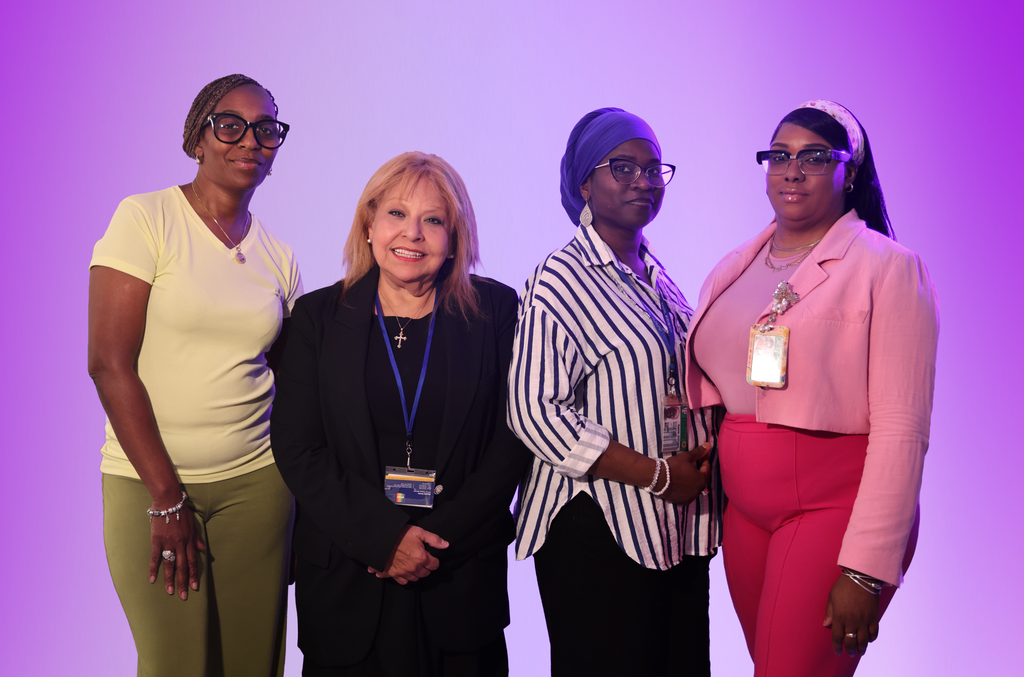
Each team member brings a different lens, but their work overlaps continually. Together, they create the continuity that families experience from family planning and pregnancy through delivery, infancy, childhood, and long-term caregiver support.
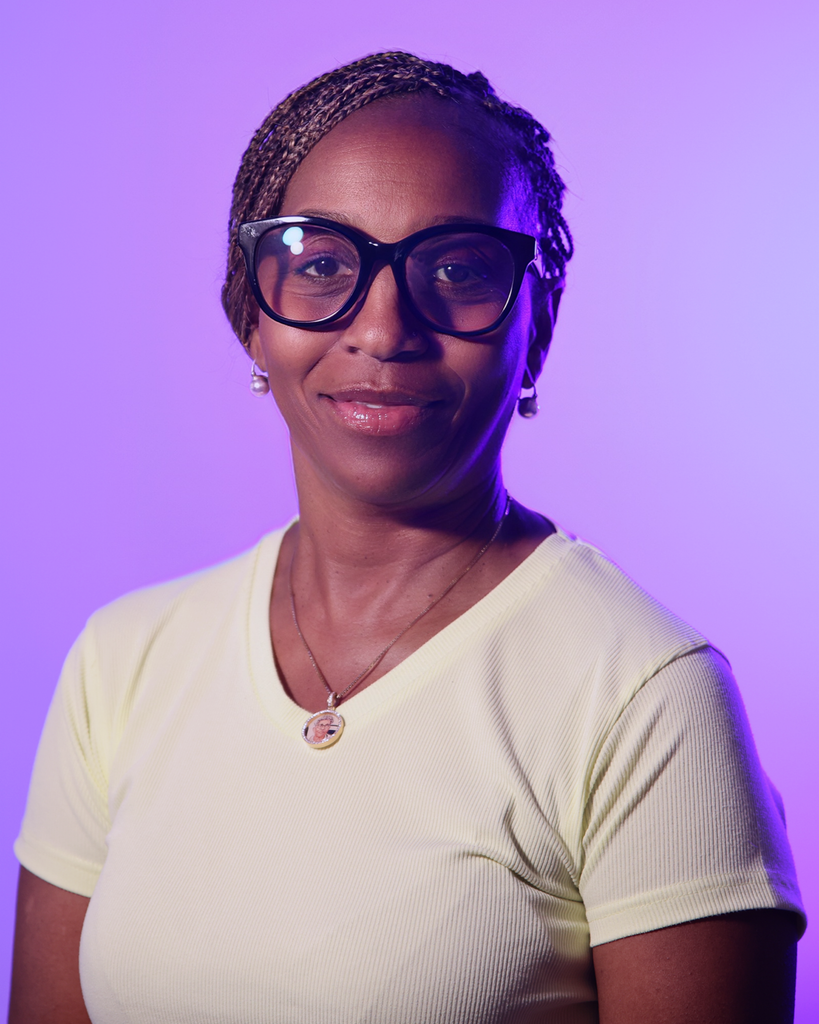
Maria Adamson
Family Case Manager
Maria helps families navigate medical care and the practical realities that shape health, including benefits, housing, food, transportation, legal and community resources. Her long history with the program gives her a deep understanding of how families’ needs, and the systems available to meet them, have changed over time.
“The program cares for the whole family—not just the HIV diagnosis. The relationships we build over time help families feel comfortable coming to us, sharing what they need, and staying connected to support.”
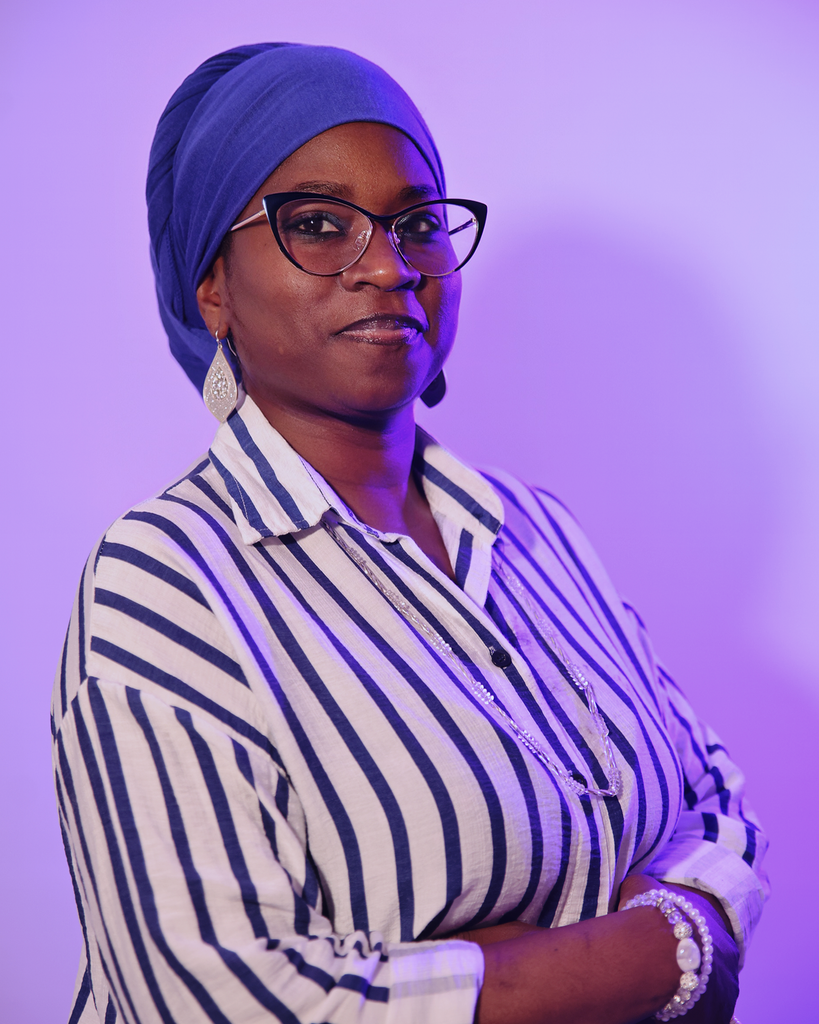
Amanetou Bah
Family Case Manager
Amanetou provides close, long-term follow-up and helps families overcome barriers involving housing, finances, childcare, transportation, stigma, and disclosure. She describes trust and continuity as central to the work: patients often share concerns with a case manager that they are not yet ready to discuss elsewhere.
“Families know they are not navigating this alone. Sometimes they tell the case manager things they are not ready to say anywhere else, and that trust helps us support them in the right way.”
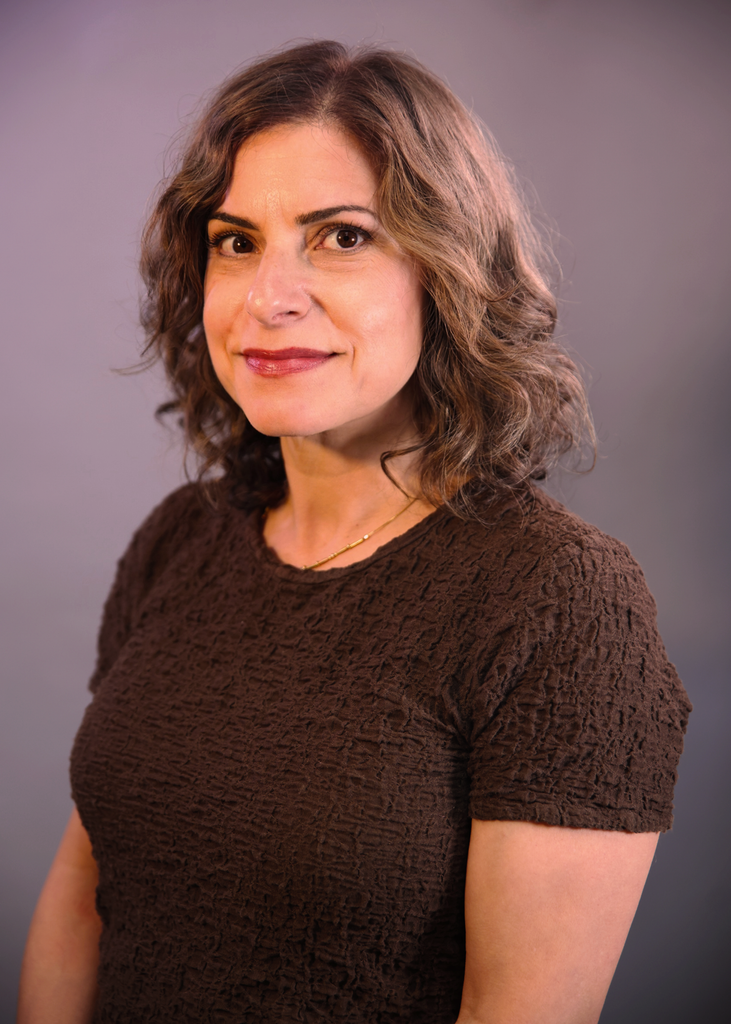
Meredith Barish, CNM
FFHCP Prenatal Care Provider
Meredith provides prenatal and postpartum care and helps coordinate delivery planning, breastfeeding counseling, and continued follow-up for mothers and infants. She stresses that FFHCP does not stop at a healthy delivery; it supports families before pregnancy, throughout pregnancy, after birth, and into infancy.
“It takes a big team. FFHCP brings everyone together so that families are supported before pregnancy, during pregnancy, after delivery, and through the baby’s first months of life.”
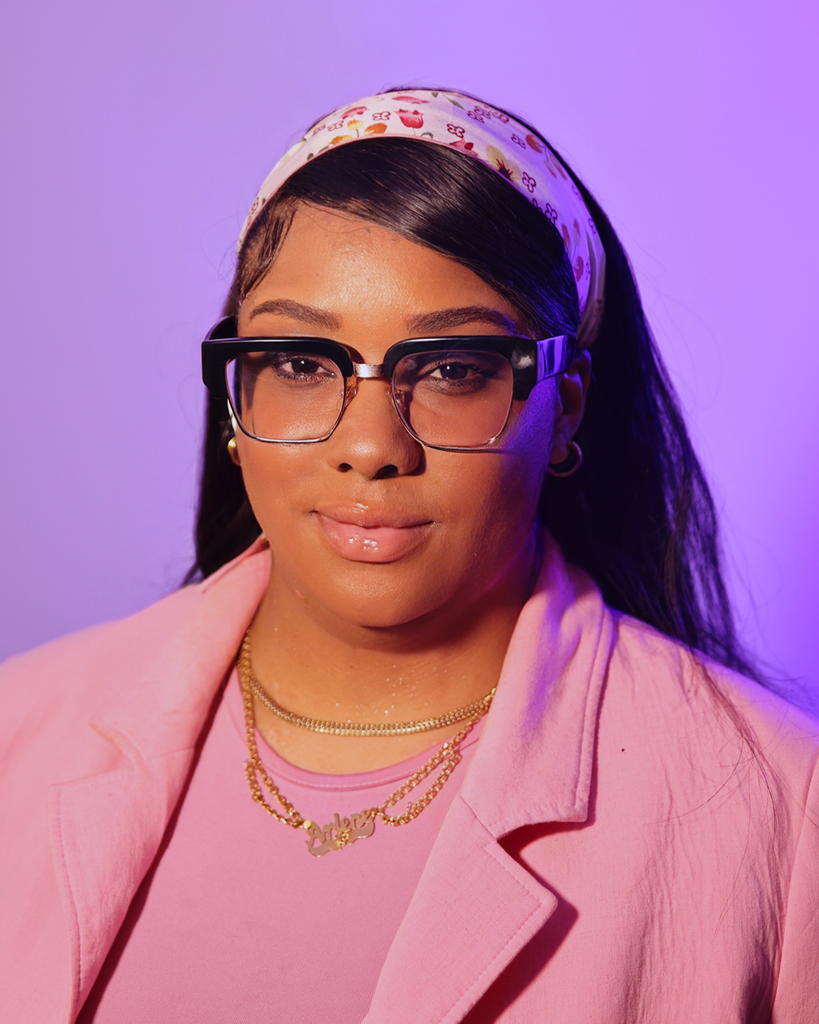
Kadijah Hall
FFHCP Peer Navigator
A young mother, Kadijah brings lived experience and practical peer support. She helps families with reminders, food and supplies, medication adherence and encouragement, spending the extra time that helps a parent or child feel seen and less alone. Having navigated (and still navigating) the same systems as her clients, she has invaluable direct contacts at housing, food pantries and other community resources.
“As a peer, it can be easier for patients to feel comfortable with me. That trust helps them open up, ask questions, and know they are not alone.”

Dr. Stephan Kohlhoff
Chief, Pediatric Infectious Diseases
Dr. Kohlhoff coordinates newborn prophylaxis, HIV testing, medication, and pediatric follow-up. Since joining Downstate’s pediatric infectious disease team in 2002, he has offered families a rare continuity of care, often following children from birth through adolescence and providing a steady presence until they transition to adult care. He has also witnessed the transformation of pediatric HIV care: where clinicians once treated many children with perinatally acquired HIV, the expected outcome today is a healthy infant who remains HIV-negative.
“Newborn medication and testing are essential, but they are only one part of the picture. The case managers and integrated team are central to making sure families have the support, follow-up, and trust needed for successful outcomes.”
Michelle Melendez, MS, LCSW, CHC
FFHCP Behavioral Health Director
Michelle connects the program to STAR’s behavioral health expertise and helps hold together its many clinical and psychosocial layers. She emphasizes that caregiver wellness includes physical and emotional health, adequate benefits, and stability at home, and that supporting the caregiver protects the children.
“It’s so multi-layered…there are so many pieces that all have to come together to make this program happen.”
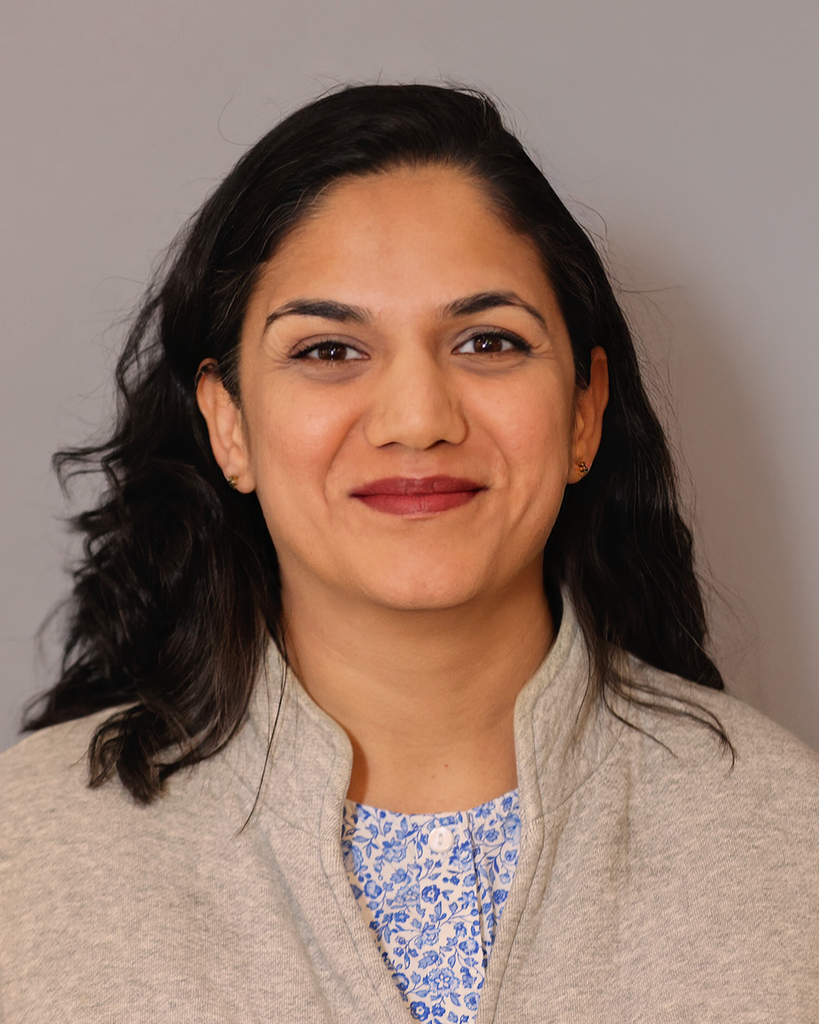
Dr. Manisha Singh
Project Director
Dr. Singh provides clinical oversight and medical care and works with Migdalia on quality assurance, including viral suppression, screening, retention in care, and perinatal outcomes. She also helps translate evolving standards into coordinated practice, including individualized counseling for patients considering breastfeeding.
“A healthy parent and a healthy baby: that is what success looks like.”
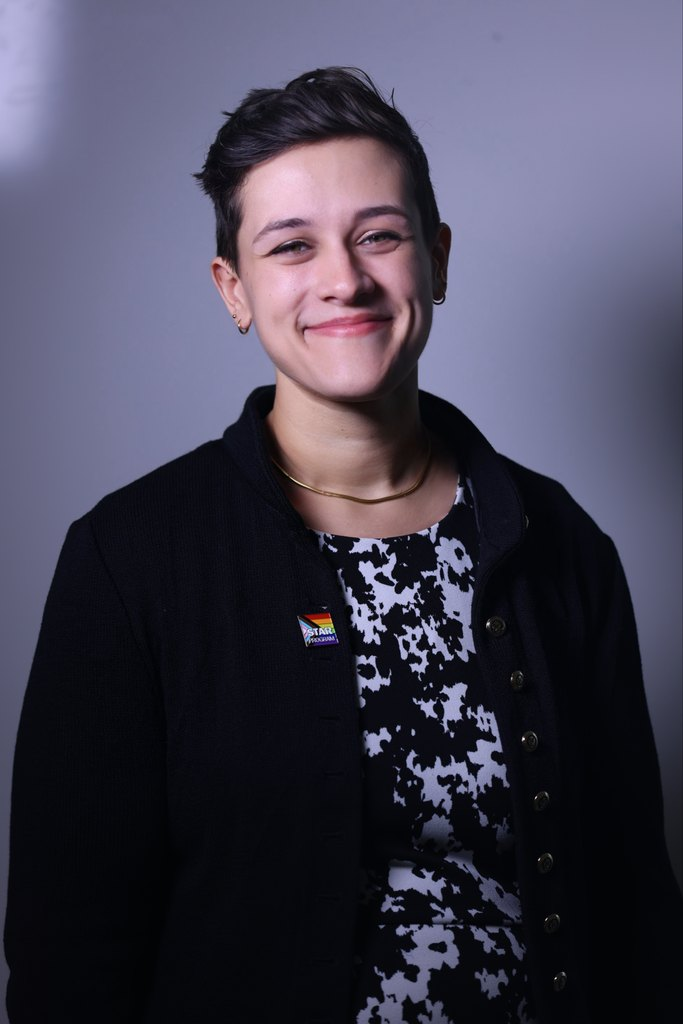
Dr. Rio O’Mary
STAR Attending
Dr. O’Mary provides medical care and coordinates closely with Meredith and the team through case conferences. As a clinical entry point to the program, she helps ensure families who need FFHCP can access its support, a critical step in helping caregivers stay engaged in care while raising healthy children.
“Sometimes what matters most is recognizing which families need extra support and making sure they don’t miss the opportunity to receive it.”

Migdalia Vientos
FFHCP Manager & Case Management Supervisor
Migdalia leads the program, supervises case management, carries a caseload, and coordinates care across STAR and outside systems. She prepares for prenatal and pediatric clinic days, accompanies patients to appointments when needed, and steps in when a crisis threatens a patient’s health or ability to remain in care.
“This is not a nine-to-five sitting behind a chair. You have to be out there with them.”
Pregnancy, Birth, and the First Years
FFHCP’s outcomes reflect decades of coordinated maternal and infant care. Michelle could not recall a baby acquiring HIV while under the program’s care during more than 20 years of the grant. Migdalia similarly reported no perinatal transmissions among the families she has worked with since joining STAR in 2023.
That outcome is not automatic. Dr. Kohlhoff explained that infants need prophylaxis, serial testing, and reliable follow-up until HIV-negative status is definitively confirmed. High-risk obstetrician Dr. Muddar Dalloul plays a pivotal role in caring for FFHCP patients whose pregnancies involve serious medical complications. Working closely with STAR’s HIV providers, prenatal team, and case managers, he helps ensure that urgent clinical risks are recognized and addressed. Meredith coordinates closely with obstetrics, pediatrics, hospital staff, lactation consultants, and case management, while Dr. Singh monitors clinical quality and helps ensure that standards of care translate into consistent practice.
The team also supports eligible patients with sustained viral suppression who choose to breastfeed under updated national guidance. Dr. Singh described this as an area requiring individualized counseling and strong protocols. Meredith emphasized medication adherence, close maternal monitoring, and careful infant follow-up. Dr. O’Mary described the shift as shared decision-making, with clear information about transmission risk and protocols. Dr. Kohlhoff helps families understand the residual risk and coordinates infant medication and testing. Migdalia sees what the choice can mean emotionally: after months of fear, some mothers experience breastfeeding as an empowering moment: “Wow, I can do this.”
FFHCP’s innovative breastfeeding work is also contributing to the field’s evidence base through the collaborative work of Meredith and Drs. Manisha Singh, Rio O’Mary, and Stephan Kohlhoff. Meredith presented the program’s first year of data at the 2025 Continuum Conference, later published as “Breastfeeding Program for People Living with HIV (PLWH) in Brooklyn, NY” in the Journal of International Providers of AIDS Care. The four-member team then examined three years of patient experiences and outcomes, which Dr. Singh will present at IDWeek, the annual meeting of the Infectious Diseases Society of America.
Going the Extra Mile
The clearest measure of FFHCP may be found in moments that never appear in a formal report. Migdalia described a pregnant patient with dangerously high blood pressure who wanted to leave the hospital because she had to work and had no one to care for her other children. The team helped resolve the childcare crisis and persuaded her to stay. She delivered a healthy baby later that day. Dr. O’Mary recalled another patient who learned she was HIV-positive midway through pregnancy and needed intensive support; three years later, she is stably housed, has two healthy children, and her HIV is well controlled.
In another case, a Spanish-speaking patient with no available support person asked Migdalia to remain beside her during a Cesarean section. Migdalia suited up, entered the operating room, and stayed through the birth. “It was one of the most rewarding moments of my professional career,” she said. Michelle noted that being present for a birth is not a required grant deliverable, but it reveals the depth of commitment behind the program.
That same commitment appears in smaller moments. When a mother with five young children spent the night in the emergency room, Kadijah used her time to return to the unit, speak with staff, help calm a distressed child, and stay with the family while Migdalia arranged transportation. As Migdalia observed, “When you don’t have a lot, little things count the most.”
One Team, Many Connections
FFHCP relies on constant communication. The team holds multidisciplinary case conferences, prenatal reviews, and patient reviews so everyone touching a family’s care stays in the loop. Case managers work closely with HIV providers, behavioral health, pediatrics, obstetrics, midwifery, inpatient units, hospital social workers, HEAT, insurers, HRA, housing agencies, and community organizations.
The need for those connections is growing. Migdalia has seen food programs, clothing sources, and organizations that once supplied car seats or playpens reduce assistance or create waiting lists. Maria likewise emphasized that community partnerships are indispensable, while Amanetou identified diapers, baby supplies, grocery assistance, and emergency support as modest resources that can make an outsized difference.
What the team wants colleagues across STAR to understand is that FFHCP is not one service. It is medical care, behavioral health, pediatrics, prenatal and postpartum support, case management, and resource navigation working together. Every appointment kept, newborn medication obtained, insurance problem resolved, transportation ride arranged, and supportive conversation helps strengthen a caregiver – and, through that caregiver, an entire family.
Help Give Families an Extra Layer of Support
The Family-Focused HIV Care Program reminds us that health is about more than appointments. It is about transportation, diapers, baby supplies, food, school needs, safe housing, emotional support, and the small but essential resources that help caregivers and children stay connected to care.
You can help strengthen this work.
Your contribution to Give Families an Extra Layer of Support helps provide practical, family-centered support for STAR families facing everyday barriers with courage, resilience, and love.
Donate today and help us support caregivers, children, and families across our community.